Most drivers think an oil change starts and ends with fresh oil. That is exactly how small problems get missed.
A proper oil service should be quick, but it should not be rushed. When a garage follows a clear oil change service checklist, you are not just paying for new oil. You are paying for a basic health check that can catch leaks, worn filters, low fluids, and early signs of trouble before they turn into breakdowns or expensive repairs.
For busy drivers in Dubai, that difference matters. If you rely on your car every day for work, school runs, deliveries, or long commutes, downtime is expensive. A complete, professional oil service helps protect the engine, maintain performance, and reduce the chances of surprise repairs.
Why an oil change service checklist matters
Modern engines are less forgiving than many drivers assume. The right oil has to lubricate moving parts, manage heat, reduce wear, and help control sludge. Over time, that oil breaks down. It also collects dirt, combustion byproducts, and contaminants that reduce its effectiveness.
That part is straightforward. What gets overlooked is everything around the oil change itself. A technician has the vehicle lifted, access to the underside, and a chance to inspect the systems that often show early warning signs first. If the service stops at draining and refilling oil, that opportunity is lost.
A consistent oil change service checklist also creates accountability. It means the work is done the same way every time, with less guesswork and fewer missed steps. For the customer, that means clearer service, honest recommendations, and a better chance of fixing issues while they are still minor.
The core oil change service checklist every car should get
At the center of the service is the oil and filter replacement. The old engine oil should be fully drained, not partially topped off to save time. The new oil should match the manufacturer-recommended grade and specification, because using the wrong viscosity can affect lubrication, fuel economy, and engine wear. This matters even more on newer vehicles and turbocharged engines.
The oil filter should be replaced at the same time. Reusing an old filter or installing a low-quality one defeats the purpose of fresh oil. A good filter helps trap contaminants and keep the oil cleaner between service intervals.
After the new oil is added, the technician should verify the level properly. Too little oil is a clear risk, but too much oil can also cause problems. Proper fill matters.
The drain plug and sealing washer should also be checked carefully. If the plug is overtightened, cross-threaded, or reused when it should be replaced, it can lead to leaks or damage to the oil pan. This is one of those small service details that says a lot about workmanship.
What else should be checked during an oil service?
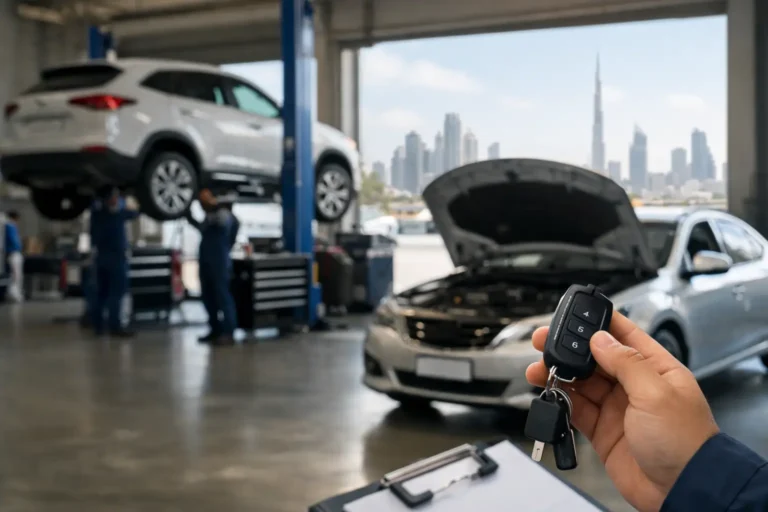
A complete oil service should include a visual inspection of the engine bay and the vehicle underside. This is where many preventable issues show themselves first.
Fluid levels should be checked, including coolant, brake fluid, power steering fluid if the vehicle uses it, and windshield washer fluid. Not every fluid needs topping off every visit, and not every low fluid level means a major issue. But ignoring them is not smart. A small coolant loss today can become an overheating problem later.
The technician should also inspect for visible leaks around the engine, oil pan, filter housing, valve cover, transmission area, and cooling system. Some leaks are obvious. Others start as a light seep. Catching them early usually means a simpler repair.
Belts and hoses deserve a quick inspection too. Cracks, swelling, soft spots, or glazing are warning signs. These parts often fail gradually, not all at once, and a basic check can help you plan repairs before the car leaves you stranded.
Tire condition and pressure are also worth checking during the visit. Uneven wear may point to alignment, suspension, or inflation issues. It is not the main reason for an oil service, but it is part of taking care of the whole vehicle instead of just one fluid.
Filters, lights, and battery checks
Depending on the vehicle and service package, an oil change service checklist may also include inspection of the air filter and cabin air filter. These do not always need replacement at every oil change, and any garage that pushes them automatically without checking is not doing you a favor. Still, if either filter is clogged, replacing it can improve airflow, cabin comfort, and in some cases engine performance.
Exterior lights should be checked as well. A failed brake light or turn signal is easy to miss as a driver and easy to spot during service. It is a small detail, but it affects safety.
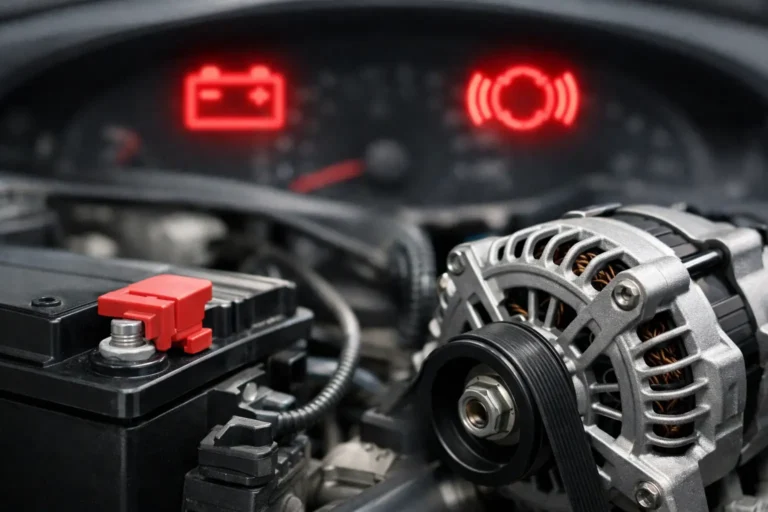
Battery condition is another smart item to review, especially in hot climates where battery life can drop faster. A visual battery check may reveal corrosion, loose terminals, or swelling. In some cases, a quick battery test is worth doing if there are signs of weak starting or electrical inconsistency.
Resetting the service reminder is part of the job
One of the most overlooked items on an oil change service checklist is the service reminder reset. After the oil has been changed, the maintenance light or oil life monitor should be reset correctly.
It sounds minor, but it matters. If the reset is skipped, the car may continue showing a service warning even though the work was completed. If it is reset without actually performing the service, that is worse. Either way, accuracy counts.
A professional garage should also keep a record of the oil type used, the service date, and the mileage. That helps you track maintenance properly and gives useful history if another issue comes up later.
What changes based on the vehicle
Not every car needs the exact same checklist in the exact same way. The basics stay the same, but the service can vary depending on the engine, mileage, and driving conditions.
For example, synthetic oil is common in many newer vehicles, but the correct specification still depends on the manufacturer. European, Japanese, Korean, and American vehicles can all have different requirements. Diesel engines, turbocharged engines, and high-mileage vehicles may also need closer attention during routine service.
Driving conditions matter too. Stop-and-go traffic, short trips, heavy loads, dusty roads, and extreme heat can all shorten oil life. That means the ideal oil change interval may be different from the number a driver remembers from an older car. There is no one-size-fits-all schedule that works for every vehicle.
That is why a good garage explains what your car needs based on real condition, not a generic sticker and a sales script.
Signs your last oil change may not have been done properly
If you notice oil spots under the car, a burning oil smell, a loose undertray, or an oil warning light after service, something may have been missed. The same goes for overfilled oil, an unchanged dirty filter, or a service light that was never reset.
Another red flag is when a garage cannot tell you what oil grade was used. That information should be clear. Honest service is specific.
A reliable shop will not just say the job is done. It will show you what was checked, mention anything that needs attention, and separate urgent issues from items that can wait. That kind of transparency helps drivers make informed decisions without feeling pressured.
Choosing a garage that treats oil service seriously
An oil change should be simple, but it should still be professional. The right garage follows process, uses the correct oil and quality filters, checks the surrounding systems, and communicates clearly about what it found.
That matters whether you drive a family SUV, a daily commuter sedan, or a work vehicle that cannot afford downtime. At Fahad Auto Garage, that approach is part of the standard service mindset – fast turnaround, skilled technicians, modern equipment, and honest pricing without unnecessary upsells.
If you are booking your next oil service, ask one simple question first: what is included? The answer will tell you a lot about the garage.
Fresh oil protects your engine, but careful service protects your time, your budget, and your confidence every time you turn the key.