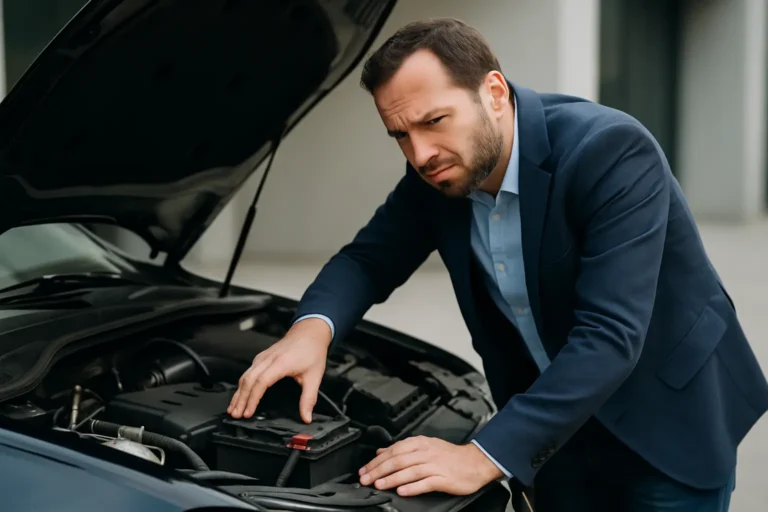
Your car starts fine one day, then hesitates the next, and by the third morning it will not crank at all. That is usually when drivers start searching for battery vs alternator warning signs – and for good reason. Both problems can leave you stranded, both can trigger warning lights, and both can look similar at first. The difference is that catching the right issue early can save you time, money, and the frustration of replacing the wrong part.
Why battery vs alternator warning signs get confused
The battery and alternator work together, so when one has a problem, the symptoms can overlap. The battery provides the power needed to start the engine. Once the engine is running, the alternator generates electricity to power the vehicle and recharge the battery.
That connection is exactly why the signs can be misleading. A weak alternator can leave the battery undercharged, making it seem like the battery failed. A worn battery can put extra strain on the charging system and create electrical issues that look like an alternator problem. If you guess instead of testing, it is easy to spend money and still have the same breakdown a few days later.
Warning signs that point more toward a battery problem
A bad battery usually shows itself during startup. If the engine cranks slowly, clicks repeatedly, or needs a jump-start after the car has been parked, the battery is one of the first things to suspect. This is especially common if the battery is older or the car sits unused for long periods.
Another clue is that the problem feels worst first thing in the morning. A weak battery often struggles after the vehicle has been sitting overnight because it has not held enough charge. Once jump-started, the car may run normally for a while, which can make the issue seem minor even when the battery is near the end of its life.
Dim interior lights before startup, weak power to accessories with the engine off, and settings resetting on the dashboard can also point to a battery issue. In some vehicles, you may also notice slow power window movement or electronic features acting lazy before the engine starts.
Battery problems can also be caused by corroded terminals or a loose connection, not just a failed battery itself. That matters because the fix may be simple if caught early. If the battery case looks swollen, there is visible corrosion around the terminals, or the battery is more than a few years old, testing should happen sooner rather than later.
Warning signs that point more toward an alternator problem
Alternator issues usually show up after the engine is already running. If the car starts but then the headlights dim while driving, the dashboard flickers, or electrical systems behave unpredictably, the charging system becomes the bigger concern.
One of the clearest battery vs alternator warning signs is a battery warning light appearing while the car is running. Despite the name, that light often indicates a charging issue, not just a battery issue. If the alternator is not supplying proper voltage, the vehicle may start losing power across multiple systems.
You may also notice the A/C blower getting weak, infotainment cutting in and out, or the engine stalling shortly after a jump-start. That last symptom matters a lot. If a jump-start gets the car running but it dies again soon after, the alternator may not be charging the battery enough to keep the vehicle operating.
Some drivers also hear a whining or grinding noise from the engine bay when the alternator bearings or internal components begin to fail. In other cases, there may be a burning smell caused by an overloaded alternator or slipping drive belt. These are not symptoms to ignore. Charging problems can escalate quickly and leave you stuck in traffic or unable to restart the car after a short stop.
The fastest way to tell the difference
The cleanest answer is testing, not guessing. A proper battery and charging system test checks battery condition, charging voltage, load performance, and sometimes starter draw as well. That gives you a clear answer instead of a best guess.
There are still a few practical clues drivers can use. If the car needs frequent jump-starts after sitting, think battery first. If the car starts but electrical problems begin while driving, think alternator first. If both are old or the battery has been repeatedly drained, it could be both.
That last point is where many people get caught. A failing alternator can damage a battery by constantly undercharging it. A bad battery can also make the alternator work harder than it should. In real-world repair work, the correct fix is sometimes not one part but a full charging system diagnosis.
Common situations where it depends
Not every symptom fits neatly into one category. For example, dim headlights can be caused by a weak battery, a failing alternator, poor ground connections, or even wiring problems. A no-start can come from the battery, but it can also come from the starter or ignition system.
Short-trip driving is another factor. If you mainly drive very short distances with heavy A/C use, phone charging, and lights on, the battery may stay undercharged even when the alternator itself is healthy. On the other hand, if the serpentine belt is loose or worn, the alternator may not charge properly even though the alternator unit is technically still functional.
Modern vehicles add more complexity. Cars, SUVs, and commercial-use vehicles depend on multiple control modules and sensitive electronics. Low voltage can trigger warning lights, transmission odd behavior, sensor faults, and rough running. That is why replacing parts based on symptoms alone is risky.
What you should do when you notice these signs
Start with the basics. If the vehicle is slow to start, avoid waiting until it fails completely. If the battery warning light comes on while driving, reduce electrical load if possible and get the vehicle inspected quickly. Turning a minor charging issue into a roadside breakdown is rarely worth the risk.
Do not keep relying on jump-starts as a long-term fix. A single jump-start after leaving lights on is one thing. Repeated jump-starts usually mean there is an underlying battery, alternator, or connection problem that needs proper testing.
It also helps to pay attention to timing. If symptoms happen only at startup, mention that. If they happen while driving with A/C, headlights, and charging ports in use, mention that too. Good diagnostics start with clear symptoms, and that often shortens repair time.
For drivers who rely on their vehicle every day – commuting, school runs, deliveries, or client visits – fast diagnosis matters more than trial-and-error repairs. A professional inspection can check battery health, alternator output, terminal condition, belt condition, and fault codes in one visit. That is usually the fastest route to an accurate repair.
When to stop driving immediately
If dashboard lights begin flashing, power steering feels inconsistent, the engine stalls, or the car loses electrical power while moving, do not push your luck. Those symptoms can mean the charging system is no longer supporting the vehicle properly. In that situation, continued driving can create safety risks and may lead to towing anyway.
The same goes for a strong burning smell from the engine bay or visible battery swelling. Those are not wait-and-see problems. They need immediate attention.
Get the right fix the first time
Battery and alternator problems are easy to confuse, but the repair should never be based on guesswork. The right approach is simple: test the system, confirm the cause, and replace only what actually failed. That saves time, avoids repeat visits, and gets your car back to dependable condition faster.
If your vehicle is showing battery vs alternator warning signs and you want a clear answer without hidden costs, a proper diagnostic check is the smart next step. At Fahad Auto Garage, we focus on fast turnaround, honest pricing, and accurate testing so you can get back on the road with confidence. A small electrical issue is much easier to handle before it becomes the reason your day stops cold.