Buying a used car can feel like a win right up until the first warning light comes on. That is why the best pre purchase car inspection checklist is not just a nice extra – it is your protection against hidden repairs, safety issues, and a deal that looks good only on the surface.
A clean exterior, fresh detailing, and a smooth test drive can hide a lot. Worn brakes, suspension problems, transmission hesitation, weak A/C, fluid leaks, and electrical faults do not always show up in the first five minutes. If you want honest value, you need a checklist that helps you look past appearance and focus on the condition that really matters.
Why the best pre purchase car inspection checklist matters
A used car is only a bargain if it stays affordable after you buy it. Many buyers focus on mileage, model year, and asking price, but repair history and present condition matter just as much. A lower-priced car with engine issues or neglected maintenance can cost far more than a slightly newer vehicle that has been looked after properly.
This is especially important if you rely on your car every day for commuting, family use, or business. Downtime costs money. Unexpected repairs create stress. A proper inspection reduces guesswork and gives you a clearer idea of what you are really buying.
A checklist also helps you negotiate from facts, not assumptions. If the tires are near the end of their life, the brake pads are thin, or the A/C is not cooling correctly, those are real costs. You can ask for repairs, request a lower price, or simply walk away.
Best pre purchase car inspection checklist before you start the engine
Start with the basics while the car is parked and cold. This is often where rushed sellers hope buyers will not look too closely.
Check the body panels from multiple angles. Mismatched paint, uneven gaps, overspray, or signs of fresh repainting can suggest previous accident work. That does not automatically make the car a bad buy, but it does mean you should look closer at structural quality and repair standards.
Inspect the tires carefully. Uneven tread wear can point to alignment issues, worn suspension components, or poor maintenance. If all four tires are different brands, that may signal cost-cutting ownership. Also check the tire age, not just tread depth. Old rubber can be unsafe even if it still looks usable.
Look under the car for fresh leaks. Engine oil, transmission fluid, coolant, and power steering fluid can leave visible marks. A dry underside is a good sign, but heavy cleaning underneath can also be used to hide problems, so stay alert.
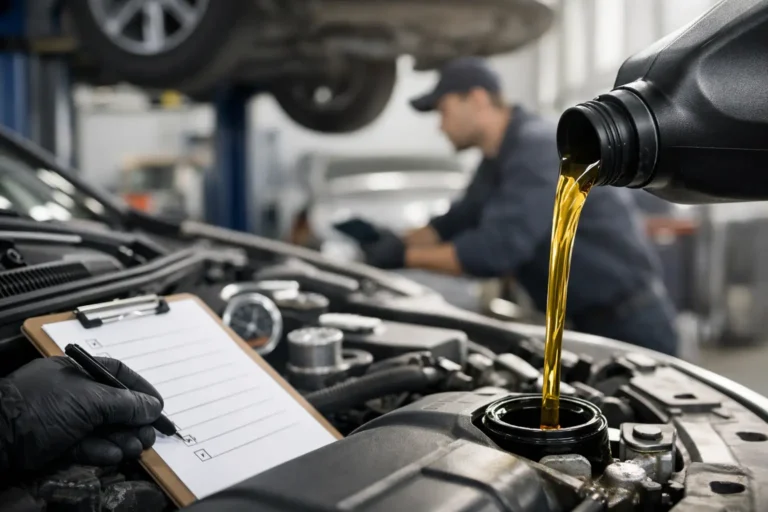
Open the hood and inspect fluid levels and condition. Dirty oil, low coolant, contaminated brake fluid, or signs of sludge tell you a lot about maintenance habits. Check hoses and belts for cracks, swelling, or wear. Look at the battery terminals for corrosion and see if there are obvious loose or amateur repairs.
Inside the cabin, test everything you can reach. Windows, locks, infotainment, warning lights, horn, mirrors, seat controls, reverse camera, parking sensors, and climate control should all work properly. Electrical issues can be time-consuming and expensive to trace, especially in newer vehicles.
What to check during the test drive
The test drive is where the car tells the truth. Keep the radio off, the phone away, and the conversation minimal so you can focus on how the vehicle behaves.
When starting the engine, listen for rough idle, rattling, tapping, or excessive smoke from the exhaust. The engine should start smoothly without struggle. If the seller has already warmed up the car before you arrive, ask yourself why. Cold starts can reveal problems that disappear once the engine reaches operating temperature.
At low speeds, pay attention to steering response and brake feel. The steering should be stable and predictable, not vague or heavy. The brakes should stop the car smoothly without vibration, pulling, or squealing. If the pedal feels soft, that needs attention.
As you accelerate, the transmission should shift cleanly. Delayed engagement, jerking, slipping, or hard shifts are warning signs. On manual cars, check clutch engagement and make sure there is no slipping under load.
Drive over uneven roads if possible. Knocking, clunking, or bouncing can point to worn shocks, bushings, control arms, or other suspension parts. At higher speeds, notice whether the car tracks straight and remains stable without steering correction.
Test the A/C properly. In a hot climate, weak cooling is not a small issue. It may be as simple as low refrigerant, or it may point to compressor or electrical faults. Either way, it should be factored into the purchase decision.
The paperwork side of a smart inspection
The best pre purchase car inspection checklist is not only about mechanical parts. Documents matter because they help confirm whether the story matches the car.
Review the service history if available. Regular oil changes, brake work, fluid services, and scheduled maintenance suggest responsible ownership. Missing records do not always mean neglect, but complete records give you more confidence.
Check the VIN on the vehicle against the registration and any service paperwork. Make sure there are no inconsistencies. Confirm the title status, ownership details, and whether there are outstanding issues that could delay transfer.
Ask direct questions about previous accidents, major repairs, recurring faults, and recent part replacements. A trustworthy seller should answer clearly. Vague replies, changing stories, or pressure to skip inspection are red flags.
When a DIY check is not enough
You can spot a lot yourself, but some problems need professional tools and trained eyes. Modern vehicles can hide faults in engine management, transmission behavior, ABS systems, airbag systems, and electronic modules. A dashboard with no warning lights does not always mean the system is healthy.
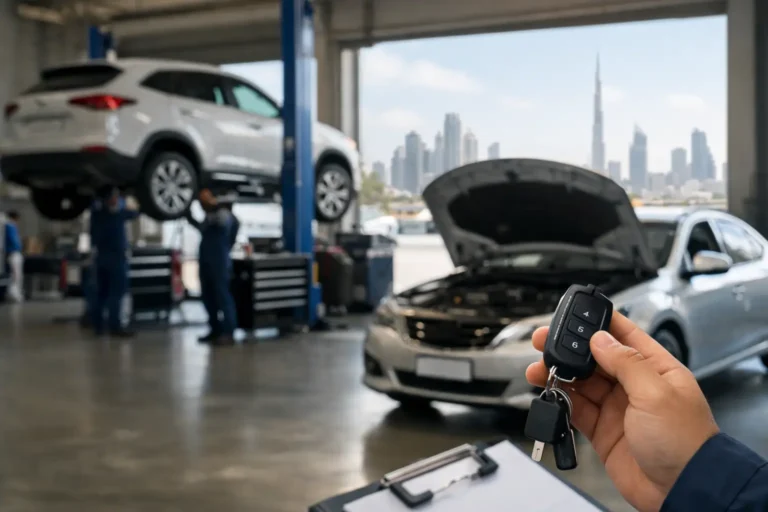
That is where a professional pre-purchase inspection adds real value. A qualified garage can perform a deeper mechanical review, scan for fault codes, evaluate brake and suspension condition, inspect for leaks, and identify repairs that a basic walkaround will miss. This is often the difference between buying with confidence and inheriting someone else’s deferred maintenance.
It also helps you estimate real ownership cost. A car may be drivable today but still need tires, brakes, engine mounts, fluid service, or A/C repair soon. Knowing that before you pay gives you leverage and peace of mind.
Common red flags buyers should not ignore
Some issues should immediately slow the process down. A seller who refuses an independent inspection is one of them. So is a car with warning lights that are explained away casually, especially engine, ABS, transmission, or airbag alerts.
Be careful with fresh fluid top-offs, brand-new detailing before inspection, or a recently disconnected battery. Sometimes these are harmless. Sometimes they are used to make a tired vehicle look temporarily better.
Heavy steering, rough shifting, overheating tendencies, coolant smell, burnt oil smell, or vibration under braking all deserve attention. None of these automatically mean you should reject the car, but they do mean you need real repair estimates before moving forward.
A practical way to use this checklist
Do not treat the checklist as a pass-or-fail sheet with no gray areas. A used car will usually have some wear. The goal is to separate normal age-related maintenance from expensive hidden problems.
If the car has minor cosmetic flaws but strong mechanical condition, that may still be a smart buy. If it looks excellent but has signs of poor maintenance, accident damage, or major system faults, the low price can become expensive very quickly.
Bring the checklist with you, take photos, and write down what you notice. If anything feels rushed, pause the deal. Serious sellers understand careful buyers.
For buyers who want a more reliable decision, a garage inspection is the safer move. At Fahad Auto Garage, our technicians use modern diagnostic equipment and practical hands-on checks to identify issues clearly, explain what matters now versus later, and help drivers make informed decisions without pressure.
A used car should save you money, not hand you a repair bill on day one. The right checklist gives you control, and the right inspection gives you confidence to buy, negotiate, or walk away while you still can.