That sharp squeal when you slow down at a signal is not your car being dramatic. In many cases, it is your brake system telling you the pads are getting thin and need attention soon.
If you are wondering how to tell brake pads worn, the good news is that the warning signs are usually clear once you know what to look and listen for. The bigger issue is timing. Catch worn pads early, and the fix is usually quick and affordable. Wait too long, and you can end up damaging the rotors, reducing stopping power, and turning a simple brake service into a more expensive repair.
How to tell brake pads worn before they fail
Brake pads are designed to create friction against the rotor so your vehicle can slow down safely. Every time you brake, a small amount of pad material wears away. That is normal. What is not normal is ignoring the point where the material becomes too thin to do its job properly.
For most drivers, the first clue is noise. A high-pitched squealing or screeching sound during braking often means the wear indicator on the pad is contacting the rotor. Manufacturers build that feature in on purpose. It is an early warning, not something to hope goes away.
Grinding is more serious. If you hear a harsh metal-on-metal sound, the pads may already be worn down past the friction material. At that stage, the metal backing plate can contact the rotor directly. That can damage the rotor quickly and affect your stopping distance.
Another common sign is weaker braking performance. If your car takes longer to stop, feels less responsive, or requires more pedal pressure than usual, the brake pads may be too worn to generate proper friction. That feeling can be subtle at first, especially if wear happens gradually, so many drivers adjust without realizing it.
Vibration can also point to brake trouble, although it does not always mean the pads alone are the issue. If the steering wheel or brake pedal shakes when you slow down, the rotors may be uneven or damaged from prolonged pad wear or heat. In that case, an inspection matters because replacing pads alone may not solve the problem.
You should also pay attention if the brake warning light comes on, though this depends on the vehicle. Some cars have brake pad wear sensors that trigger a warning on the dashboard. Others do not. A warning light should never be treated as a maybe. It needs a proper inspection.
7 clear signs your brake pads need replacement
The easiest way to spot trouble is to connect symptoms with what your car is doing every day. If one of these signs shows up, it is time to stop guessing and get the brakes checked.
1. Squealing when braking
A consistent squeal when you press the brake pedal is one of the most common early signs of worn pads. Dust, moisture, and temperature can affect brake noise, so a single squeak on a humid morning does not always mean the pads are finished. But if the sound is frequent, especially during normal braking, it deserves attention.
2. Grinding noise
Grinding usually means the pads are heavily worn or already gone in one area. This is the point where delaying service gets expensive. Rotors can be scored, overheated, or warped, which often means more parts and more labor.
3. Longer stopping distance
If your vehicle needs more space to come to a full stop, do not wait for a second opinion from the road. Reduced stopping performance is a direct safety issue, especially in city traffic where sudden braking happens often.
4. Brake pedal feels different
A pedal that feels softer, lower, or requires extra pressure can be related to worn pads, but it can also point to brake fluid issues, air in the lines, or other hydraulic problems. This is one of those it-depends situations. The symptom matters even if the exact cause is not obvious.
5. Vibration when slowing down
If braking causes a shake through the pedal or steering wheel, your brake pads may have worn unevenly or the rotors may have developed hot spots. Either way, the system should be inspected as a whole, not one part at a time.
6. Visible thin pad material
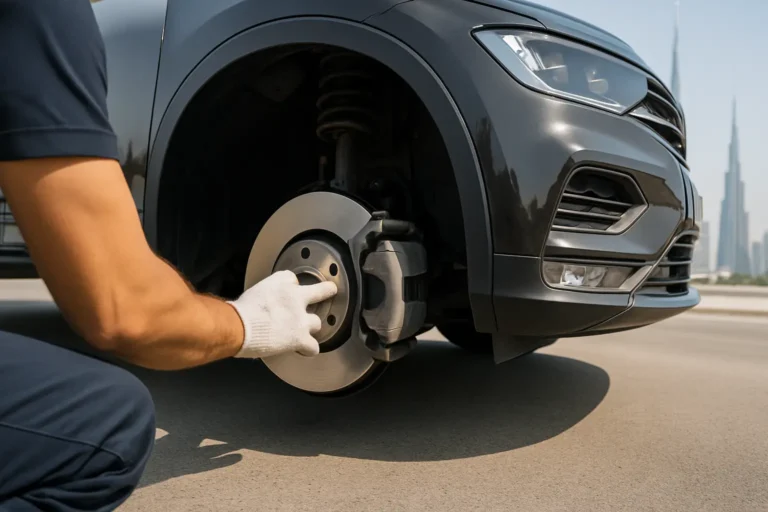
If you can see the brake pad through the wheel, look at the friction material pressed against the rotor. If it appears very thin, roughly less than a quarter inch, it is time for service. Some vehicles make this easier to see than others. On many cars, a proper inspection still requires wheel removal.
7. Dashboard brake warning light
Not every warning light means the same thing, but none should be ignored. If the brake system light or pad wear indicator appears, get the vehicle checked before daily driving continues.
What worn brake pads look like
Drivers often ask for a visual rule. A healthy brake pad has a noticeable layer of friction material bonded to a metal backing plate. When that material gets thin, braking efficiency drops and heat management becomes worse.
As a rough guideline, new pads often start around 10 to 12 millimeters of material. At about 3 to 4 millimeters, replacement is usually recommended soon. At 2 millimeters or less, the pads are at the end of their safe life.
That said, pad wear is not always even. One side can wear faster than the other because of caliper issues, slide pin problems, or driving conditions. That is why a quick glance is helpful, but a full inspection is better.
Why brake pads wear faster for some drivers
Two vehicles of the same model can go through pads at very different rates. Driving style is a big factor. Frequent hard braking, stop-and-go traffic, heavy loads, and steep roads all increase wear.
In busy urban driving, pads often wear faster than they do on long highway trips. Heat also matters. High temperatures and heavy use can accelerate wear, especially for delivery drivers, rideshare drivers, and anyone spending a lot of time in traffic. If your work depends on your vehicle, regular brake inspections are not optional maintenance. They are part of keeping your schedule intact.
The type of brake pad matters too. Some compounds are quieter, some create less dust, and some are built for longer life. There are trade-offs. A pad designed for low noise may wear differently than one designed for higher durability. The right choice depends on the vehicle and how it is used.
Can you keep driving with worn brake pads?
Sometimes drivers hear a small squeal and assume they have weeks left. Sometimes they do. Sometimes they do not. The problem is that wear can go from manageable to urgent quickly, especially if one pad is wearing unevenly.
If the brakes are grinding, stopping poorly, or vibrating heavily, continuing to drive is a risk. You are not just wearing out pads at that point. You may be damaging rotors, stressing calipers, and compromising safety for yourself and others.
If the only symptom is light squealing, the vehicle may still be drivable for a short time, but that is not a reason to postpone service. Early replacement is usually faster, simpler, and less costly than waiting for rotor damage.
When to get your brakes inspected
A brake inspection makes sense anytime you notice noise, reduced performance, or a warning light. Even without symptoms, it is smart to have the brakes checked during routine maintenance, tire service, or oil changes if your mileage is climbing.
For drivers covering long daily distances or spending hours in traffic, more frequent inspections are a practical move. You do not need to wait for obvious failure. The goal is to catch wear before it affects safety or turns into a bigger repair.
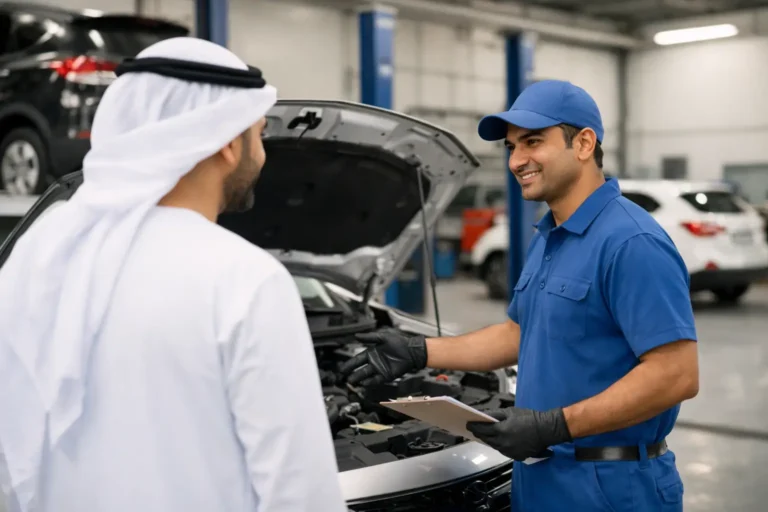
At Fahad Auto Garage, brake inspections are handled with the same approach customers expect from a dependable local shop – clear findings, honest pricing, and fast turnaround when service is needed. That matters when your car is your daily routine, your family vehicle, or part of your business.
The smart next step if you suspect worn brake pads
If your car is squealing, grinding, taking longer to stop, or showing a brake warning light, do not treat it like background noise. Brake pad wear is one of the easiest problems to fix early and one of the costliest to ignore. A quick inspection now can save you time, money, and a much bigger repair later.
Your safety is the priority. If something feels off when you brake, trust that instinct and get it checked before your next busy week makes the decision for you.